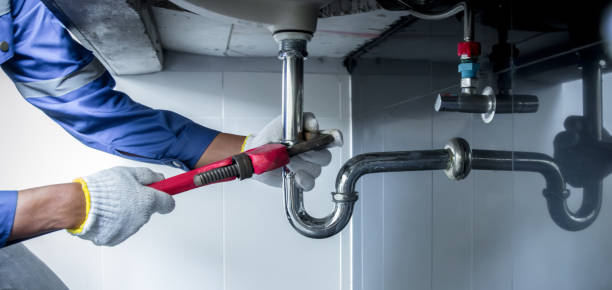
The difference between a $300 pipe repair and a $3,000 drywall-and-remediation job is often just whether the leak was found before or after excessive wall opening. Our detection service in Melbourne uses the same methods utilities and insurance adjusters rely on โ to pinpoint the failure before anything is cut.

No single detection method works for every leak scenario. Our techs are trained on four distinct approaches and select the right tool โ or combination โ based on pipe type, building construction, and leak characteristics.
Pressurized supply line leaks create a low-frequency sound as water escapes the pipe and contacts surrounding soil or structure. Our amplified listening devices filter background noise so we can triangulate the loudest point โ often to within 6โ12 inches of the actual break, through concrete slabs or behind drywall.
Particularly effective inside insulated wall cavities and for finding the extent of moisture spread beyond the immediate leak point โ telling us not just where the pipe is failing but how far the moisture has already traveled.
We isolate the supply system, pressurize to operating pressure, and monitor over a timed hold period. Any pressure drop confirms active water loss from the supply side. By isolating zones โ hot side vs. cold side, section by section โ we narrow down which branch is leaking before deploying detection equipment.
For leaks that don't produce sufficient acoustic signature โ very slow leaks, polyethylene pipe, or leaks deep under concrete โ we introduce a nitrogen/hydrogen tracer gas mixture into the isolated pipe and use a calibrated gas detector at the surface to find where the gas escapes. Sensitive to concentrations far below what produces an audible acoustic signal.
Hidden leaks occur in different locations throughout a property โ each requiring a slightly different detection approach. Here's how we handle the most common scenarios in Melbourne, AR.
Thermal imaging supplements acoustic detection for slab leaks, identifying the thermal anomaly that appears on the floor surface as water migrates through the concrete.

We document the thermal anomaly, mark the approximate pipe location, and recommend a minimal access cut rather than a wide wall opening โ typically saving hundreds in drywall repair costs.
We also perform leak correlation surveys for longer line runs, using two listening points to triangulate the failure location mathematically.
Pool plumbing โ suction and return lines buried between the equipment pad and the shell โ develops leaks at fittings or in the pipe body that show as unexplained water loss. We pressure-test the pool plumbing circuit, isolate return and suction lines separately, and use acoustic detection to find which line and where.

We format detection reports specifically for insurance submission and provide documentation on our detection equipment and methodology to claims adjusters on request.
Commercial water loss from undetected leaks often shows up as elevated utility bills for months before physical evidence appears. We can assess a commercial building's plumbing system for suspected leaks at the property owner's or manager's request.
Here's exactly how a Masters Plumbing Service leak detection call plays out in Melbourne, AR.
We start at the meter. All fixtures off, we watch the meter for 10 minutes. Movement confirms active water loss from the supply side. We also check for visible evidence โ stains, soft floors, moisture readings with a moisture meter at suspect wall surfaces.
Zone isolation turns "there's a leak somewhere in the house" into "the leak is on the hot side supply between the water heater and the master bath."
We document findings with thermal images and note detection readings at multiple grid points to triangulate the strongest signal.
Insurance-formatted reports are available for claims submission at the same standard โ no additional cost.

High-efficiency home with a slow leak โ about 1.5 gallons per hour. The tech used tracer gas after pressure testing confirmed the loss but acoustic detection couldn't localize it clearly. Gas detection found the escape at a micro-fitting under the slab in the utility corridor. Impressive work for a very difficult leak to find.
Ceiling stain in the living room kept coming back despite two drywall patches. Masters Plumbing Service ran the thermal camera and found the wet zone was traveling from a supply line joint 9 feet away, flowing down a horizontal framing member โ explaining why the patch kept failing. They marked the actual pipe location, we opened 8 inches of wall there, and the repair held. No more stain.
Pool was losing 2 inches per day โ more than evaporation. Masters Plumbing Service pressure-tested the plumbing circuit, isolated the issue to the return line, and ran acoustic detection along the line path to find the failure at a union fitting under the decking. Repair required pulling one deck board instead of the exploratory digging another company had proposed.
Our detection technicians are equipped with acoustic, thermal, and tracer gas tools for the full range of leak scenarios found in Melbourne, AR homes and commercial properties.

Call now to schedule โ most detection appointments available within 24โ48 hours.
๐ Call +1-844-833-0201 Now